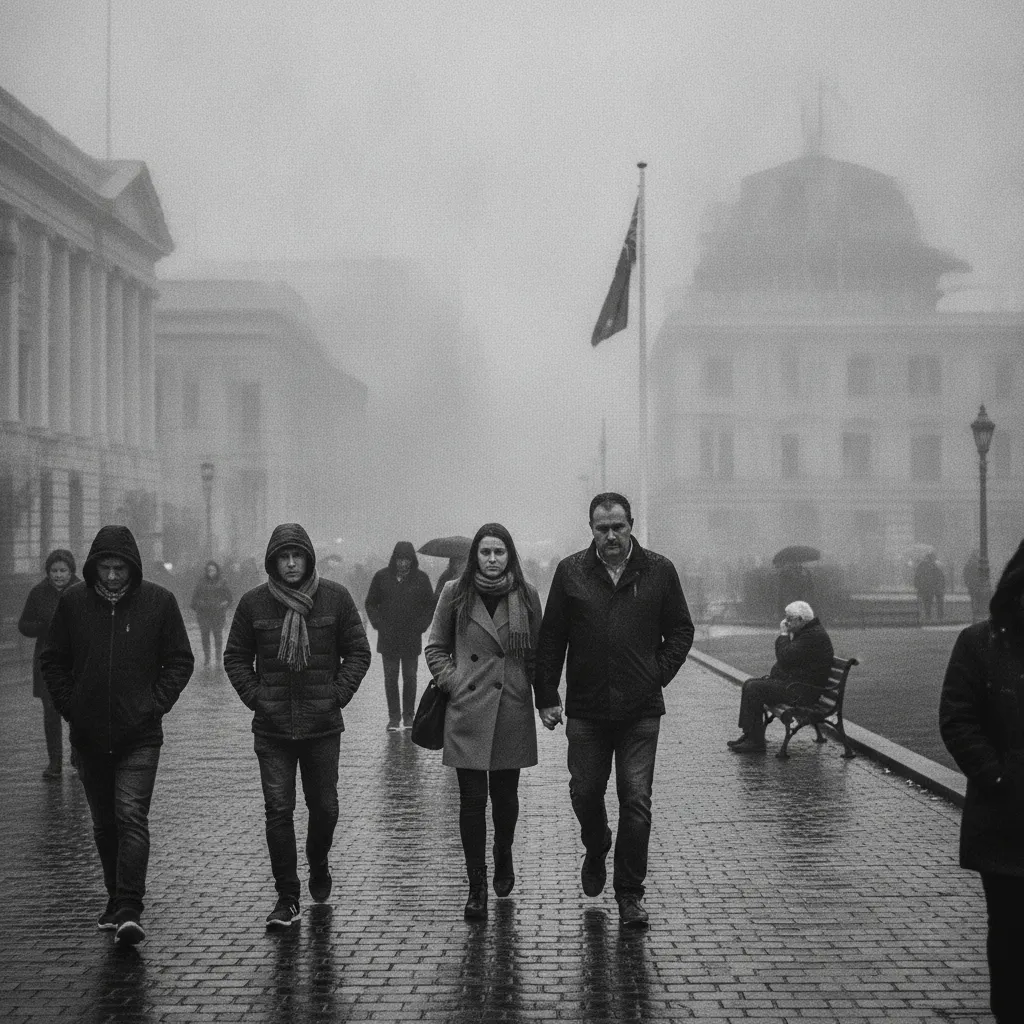
As a thick fog settled over Wellington on Saturday, the atmosphere among voters mirrored the gloomy weather. The energy was described as flat, characterized by a heavy sense of apathy and dread that seems to have permeated much of the country. While some dismissed the negativity as a product of the capital city bubble, broader polling suggests a deep systemic disillusionment. Faith in politics has plummeted, with more than half the population no longer viewing New Zealand as a land of opportunity, fearing instead that the future holds only further decline.
This widespread cynicism is rooted in a crushing combination of economic hardship and failing infrastructure. From skyrocketing rents and grocery prices controlled by a supermarket duopoly to a healthcare system plagued by chronic understaffing and tragic failures, many citizens feel abandoned. Young people are particularly hard hit; unemployment for those under twenty four is at a thirty year high, leaving many qualified tradespeople without a single interview after months of searching. This desperation has fueled a record breaking exodus, with roughly one hundred and eighty people fleeing the country every day in search of stability abroad.
The electoral results reflect this volatility, as voters deserted traditional major parties in droves. Neither side secured a clear mandate, allowing smaller players like the Greens, the Act Party, and the previously seatless Opportunity Party to surge forward. Quilae Wong of the Opportunity Party celebrated her victory as a sign that Kiwis want to fundamentally change how their country is governed. However, winning seats is only the beginning for any incoming administration tasked with healing these divides.
Beyond the economy, social cohesion is fraying under the weight of polarized debates surrounding Maori rights and LGBTQ plus healthcare. Many marginalized communities report feeling like political footballs used for leverage rather than being treated as citizens in need of support. As New Zealand stands at this critical crossroads, any new governing coalition will face an uphill battle to convince its people that remaining in their homeland is no longer a punishment but once again a privilege.