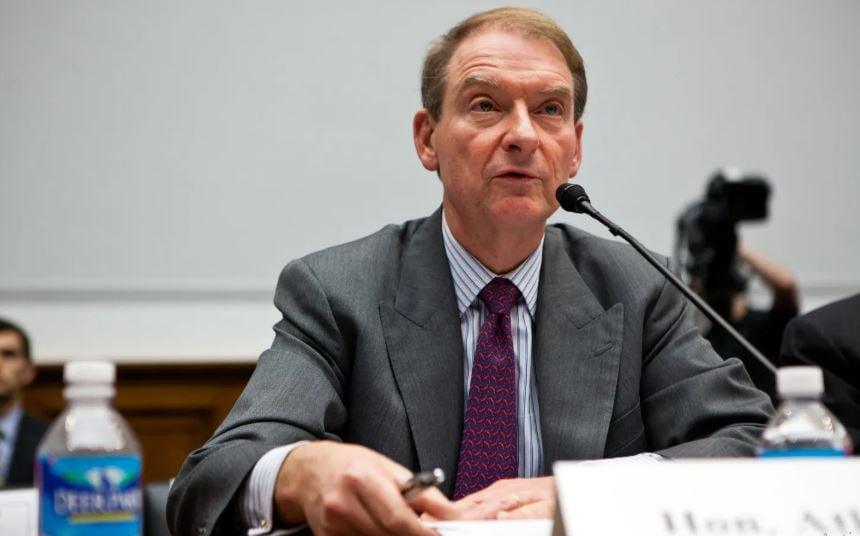
On March 19, 2026, Securities and Exchange Commission (SEC) Chairman Paul Atkins officially unveiled “Regulation Crypto Assets,” a landmark regulatory framework designed to provide a compliant path forward for the digital asset industry. Speaking at the “SEC Speaks” conference in Washington, D.C., Atkins characterized the new regime as a definitive departure from the “regulation by enforcement” era that defined the previous administration. The framework, which draws heavily from the bipartisan CLARITY Act, establishes a comprehensive taxonomy for digital assets, effectively removing the majority of the market from the SEC’s restrictive “investment contract” classification. Under the new rules, the SEC has formally acknowledged that assets like Bitcoin, Ethereum, and Solana are “Digital Commodities” subject to primary CFTC oversight, while the SEC’s remit will be strictly focused on “Digital Securities”—assets that represent a clear, contractual claim on the profits or assets of an enterprise. This shift provides the “hardened” legal certainty that institutional capital has demanded for over a decade, signaling that the United States has chosen facilitation over litigation as its governing instinct.
Establishing the “Token Safe Harbor” and Bespoke Disclosure Standards
A cornerstone of the Atkins framework is the introduction of a “Token Safe Harbor,” a fit-for-purpose startup exemption that allows crypto entrepreneurs to raise capital and develop decentralized networks for a period of up to three years without full SEC registration. This “bespoke pathway” is designed to accommodate the unique lifecycle of blockchain projects, where an initial investment contract can eventually transition into a decentralized commodity as the network matures. During the safe harbor period, issuers must adhere to streamlined disclosure requirements focused on code audits, tokenomics, and the specific rights of token holders, rather than the “antiquated” paper-based filings required of traditional public companies. Chairman Atkins noted that the goal is to increase the cost of fraud and manipulation while simultaneously lowering the cost of compliance for honest builders. By creating a protected window for innovation, the SEC aims to repatriate the thousands of developers and billions in capital that were pushed offshore during the previous years of shifting guidance and administrative subpoenas.
Harmonizing with the CFTC to Eliminate Regulatory “Turf Wars”
The launch of “Regulation Crypto Assets” is reinforced by a historic Memorandum of Understanding (MOU) between the SEC and the Commodity Futures Trading Commission (CFTC), aimed at eliminating the “duplicative agency registrations” that have stifled American fintech. This joint harmonization initiative addresses six priority areas, including the clarification of product definitions and the streamlining of regulatory reporting for dually registered firms. SEC Chairman Atkins and CFTC Chairman Michael Selig emphasized that the era of “regulatory turf wars” is officially over, replaced by a coordinated effort to modernize oversight to match how global markets actually operate in the age of algorithmic trading. The MOU specifically targets the “no man’s land” of hybrid products, ensuring that innovators no longer face the prospect of conflicting directives from two different federal agencies. For the 2026 market, the Atkins framework represents the ultimate structural tailwind; by drawing clear lines in clear terms, the SEC has finally provided the “rules of the road” that will allow the American crypto industry to flourish within a transparent, stable, and pro-growth environment.
