What Is Grayscale Proposing?
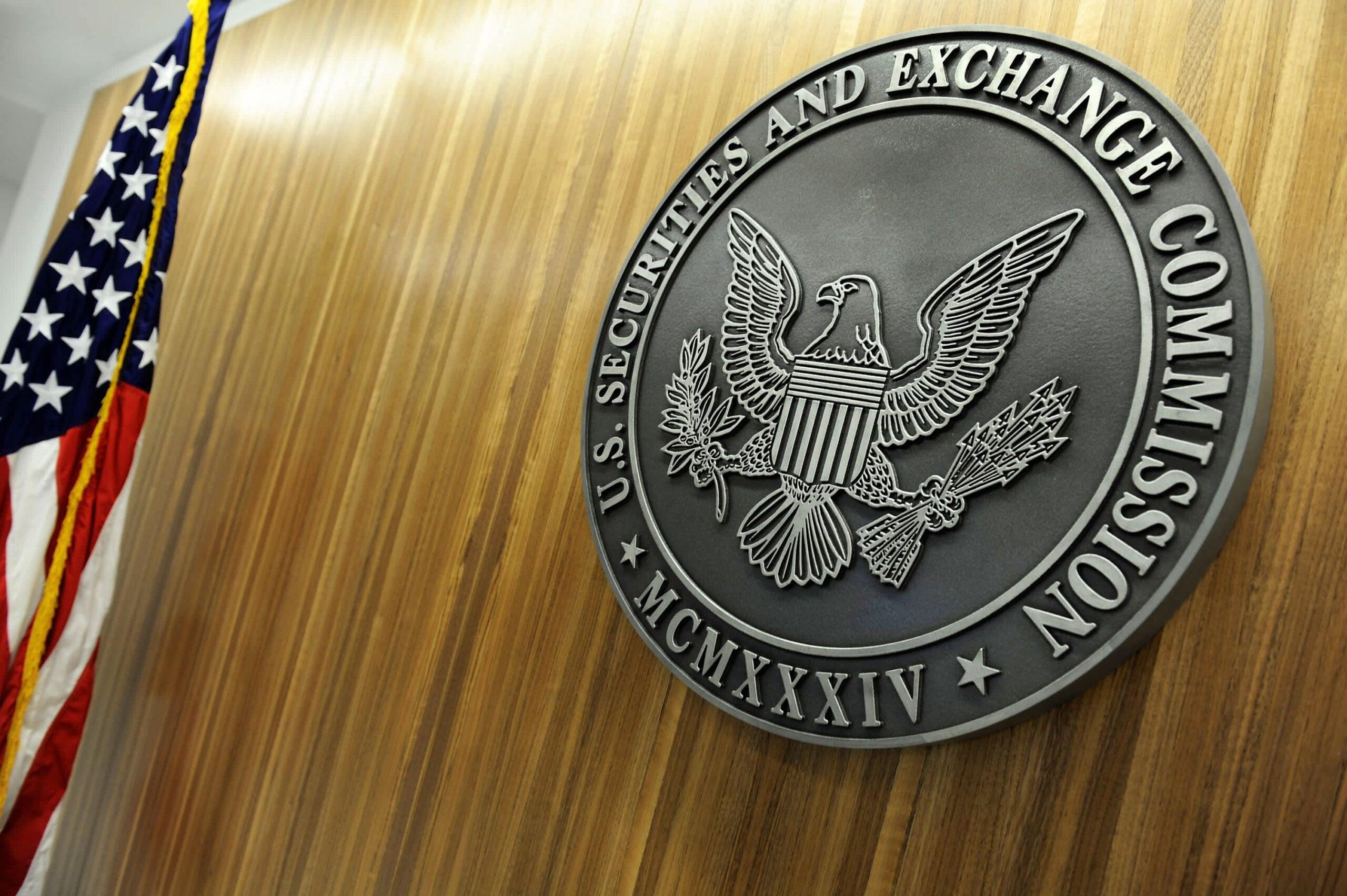
Grayscale has filed with the US Securities and Exchange Commission to launch a spot exchange-traded fund tied to the Hyperliquid ecosystem, adding to a growing pipeline of products linked to on-chain derivatives infrastructure. The proposed fund, named the Grayscale Hyperliquid ETF, would track the price of the HYPE token and trade under the ticker GHYP on Nasdaq if approved.
According to the S-1 filing, Coinbase would act as custodian for the product, though Grayscale did not disclose a management fee. The filing places Grayscale alongside other issuers, including Bitwise and 21Shares, that are seeking to bring Hyperliquid exposure into a regulated ETF wrapper.
The move reflects increasing interest in translating decentralized trading infrastructure into listed investment products, particularly as institutional investors look for exposure beyond Bitcoin and Ethereum.
Investor Takeaway
Why Hyperliquid Is Drawing Attention
Hyperliquid has emerged as one of the most active platforms for perpetual futures trading in the decentralized finance sector. Even after cooling from peak levels in August, the platform continues to process between $40 billion and $100 billion in weekly trading volume, according to DeFiLlama data.
Across the broader market, total weekly perpetual futures volume has ranged between $125 billion and $300 billion this year, more than double the levels seen at the same time last year. That sustained activity has reinforced the role of perps as a core trading segment within crypto markets.
Hyperliquid’s appeal also extends beyond crypto-native trading. The platform offers 24/7 access to tokenized real-world assets, including commodities such as oil and gold, making it a venue that can remain active when traditional markets are closed. That feature has increased its relevance for both retail and institutional participants seeking continuous market exposure.
How This Fits Into the ETF Pipeline
Grayscale’s filing follows earlier applications from Bitwise and 21Shares, both of which have also explored products tied to Hyperliquid. Bitwise initially filed for a similar ETF in September and later amended its proposal in December to include staking. 21Shares has indicated that staking could be added at a later stage in its own structure.
Grayscale’s filing includes a similar provision, noting that staking rewards may be incorporated in the future if certain conditions are met. If implemented, staking would allow investors to earn additional yield alongside any price movement in the underlying token.
The inclusion of staking has become a recurring feature in newer crypto ETF proposals, as issuers look for ways to align listed products with the economic characteristics of on-chain assets. However, regulatory treatment of staking within ETFs remains an open question, and approval timelines are uncertain.
Investor Takeaway
Can Hyperliquid Maintain Its Lead in Perps?
Despite its scale, Hyperliquid is facing rising competition. New entrants such as Aster, Lighter, and edgeX have launched in 2025, targeting the same perpetual futures segment. While these platforms have begun to capture some market share, their trading volumes remain well below Hyperliquid’s levels on most weeks.
The competitive pressure highlights a broader trend in decentralized derivatives, where liquidity can shift quickly between venues depending on incentives, execution quality, and market conditions. For ETF issuers, that introduces a layer of dependency on the underlying platform’s ability to retain activity over time.
Still, the decision by multiple asset managers to pursue Hyperliquid-linked products suggests that perps infrastructure is being viewed as a durable part of the crypto market rather than a short-term cycle trade. Whether that view holds will depend on how volumes, liquidity, and competition develop in the coming quarters.
