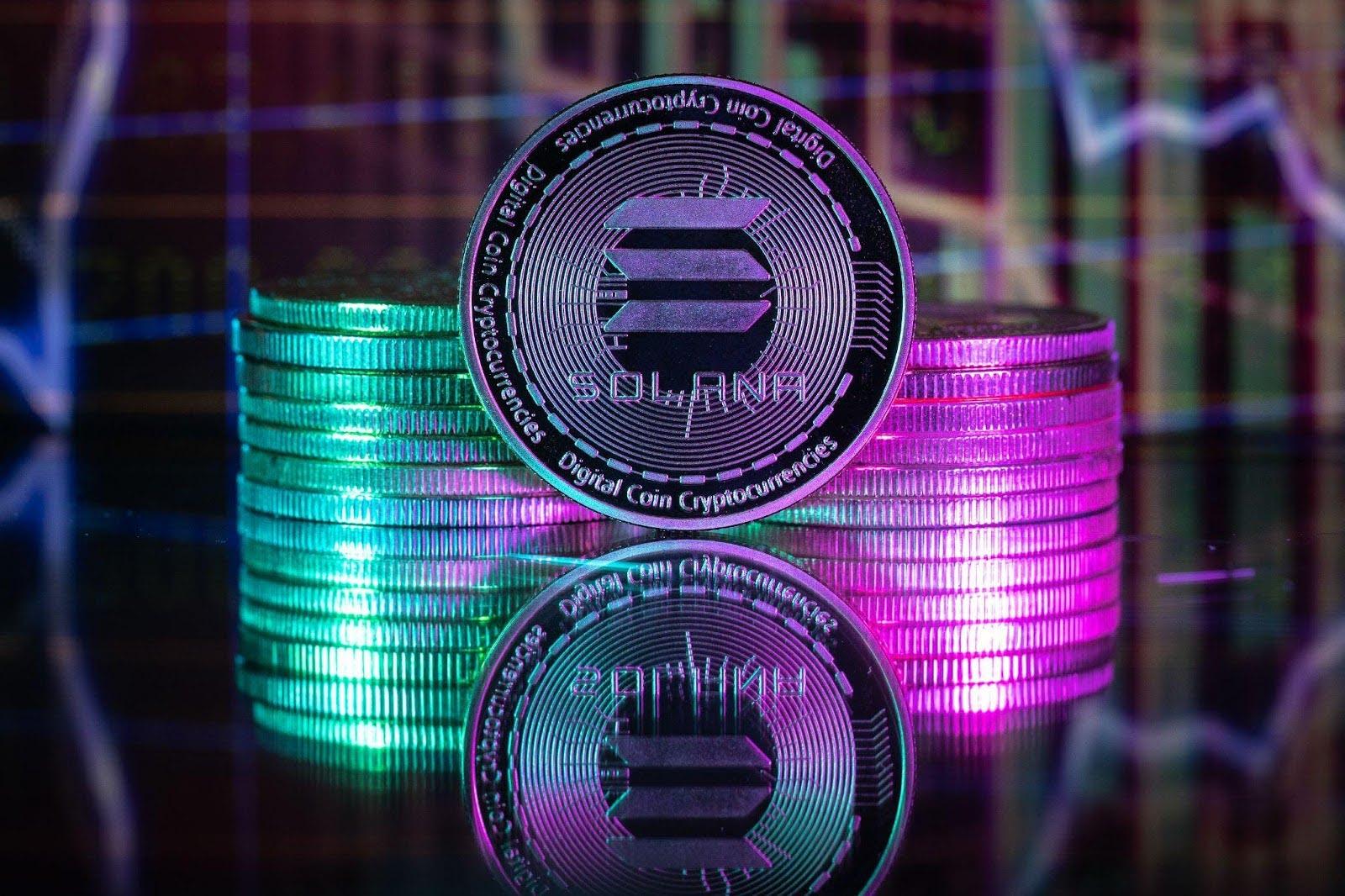
B2C2 has announced a collaboration with the <:contentReference[oaicite:1]{index=1}> to use the Solana network as a primary settlement layer for institutional stablecoin transactions.
The move reflects increasing use of blockchain infrastructure in institutional finance, particularly for settlement processes that require speed and continuous availability.
Shift Toward On-Chain Settlement Infrastructure
Under the collaboration, B2C2 will support a range of stablecoins on Solana, including USDC, USDT, and EURC, providing institutional clients with access to on-chain settlement for transactions across multiple use cases.
The platform is designed to serve hedge funds, asset managers, brokers, and financial institutions that require efficient settlement mechanisms for digital asset and cross-border transactions.
Thomas Restout, Group Chief Executive Officer of B2C2, commented, “Solana delivers the speed, reliability, and scale that institutional clients require. This is where settlement is moving.”
Stablecoin Growth Drives Infrastructure Demand
The adoption of stablecoins has increased significantly, with transaction volumes expanding across trading, payments, and treasury applications. The growth has created demand for infrastructure that can support high transaction volumes with low latency.
Solana has seen rising stablecoin activity, with market capitalization increasing substantially over the past year. This growth has attracted interest from financial institutions exploring blockchain-based settlement.
Recent developments, including initiatives by payment networks to use stablecoins for settlement, indicate a broader shift toward integrating blockchain infrastructure into traditional financial systems.
Institutional Use Cases Expand
The collaboration supports multiple use cases, including cross-border payments, treasury management, and trading settlement. On-chain settlement can reduce delays associated with traditional banking systems, particularly for transactions that span different time zones.
B2C2’s existing services, including its stablecoin swap solution, are designed to integrate with these workflows, allowing clients to manage liquidity and execute transactions across both centralized and decentralized environments.
By providing access to a single settlement network, the platform aims to simplify operations for institutions managing multiple counterparties and asset types.
Benefits and Operational Considerations
On-chain settlement offers potential advantages, including faster transaction processing and reduced costs. Transactions can be completed in near real time, without reliance on banking hours or intermediary systems.
However, institutions must consider factors such as network reliability, regulatory requirements, and integration with existing systems. Ensuring compliance and managing risk remain key considerations in adopting blockchain-based infrastructure.
Liquidity is also critical. Platforms must maintain sufficient depth across supported assets to handle large transactions without affecting pricing or execution quality.
Positioning Within Digital Asset Markets
The decision to use Solana as a primary settlement network highlights competition among blockchain platforms to attract institutional activity. Networks that offer scalability and performance are positioning themselves as infrastructure providers for financial markets.
For B2C2, the collaboration expands its role in institutional digital asset trading and settlement. By integrating on-chain capabilities, the company aims to support clients transitioning toward new forms of financial infrastructure.
The adoption of blockchain-based settlement systems remains at an early stage, but increasing participation from institutional players suggests continued development in this area.
The collaboration between B2C2 and the Solana Foundation reflects ongoing changes in how financial transactions are processed, as firms explore alternatives to traditional settlement systems.
