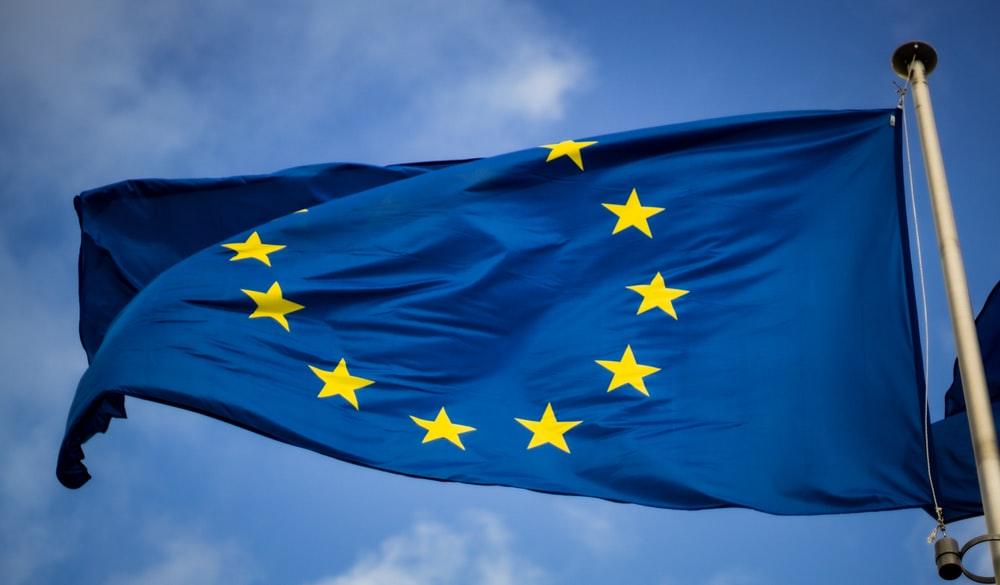
Europe’s crypto industry is approaching one of its biggest regulatory deadlines yet as the transition period under the Markets in Crypto-Assets Regulation (MiCAR) reaches its July 1, 2026 endpoint. From that date, crypto firms operating across the European Economic Area without authorization risk falling outside the bloc’s legal framework, accelerating what could become the largest restructuring of the European exchange market since the sector emerged.
The transition has already started to redraw the competitive landscape. The European Securities and Markets Authority said unauthorised Crypto-Asset Service Providers serving EU clients after July 1 will be in breach of EU law and must cease services or complete wind-down procedures. ESMA also instructed firms to notify clients, transfer assets where necessary, and prepare operational exits from the market.
Europe’s Crypto Market Approaches A Regulatory Reset
The regulator’s guidance carries broad consequences for an industry that spent years operating through fragmented registrations, offshore entities, and loosely harmonized national rules. MiCAR replaces that environment with a single licensing framework covering custody, crypto-fiat exchange, crypto-to-crypto trading, transfers, governance, disclosures, and operational requirements across the European Economic Area.
The shift increasingly turns licensing into a commercial weapon rather than only a compliance exercise. Exchanges with approved structures can continue scaling across the region through passporting rights, while firms without authorization face shrinking access to European users.
Bybit EU is one of several exchanges attempting to position itself ahead of the transition. Bybit EU GmbH operates under a MiCAR licence granted by Austria’s Financial Market Authority and serves European Economic Area clients through its Vienna-based structure.
Mazurka Zeng, CEO of Bybit EU, said the market increasingly values operational continuity and regulatory clarity.
“Europe is setting the foundations for a more mature and sustainable digital asset ecosystem,” Zeng said. “As the MiCAR transition progresses, users increasingly value clarity, continuity, and platforms designed with long-term regulatory readiness in mind. Bybit EU was established to support that future and to provide European users with a trusted environment aligned with the region’s evolving standards.”
The company stated that regulatory readiness, local operations, institutional credibility, and user protection are becoming central factors in how European users evaluate crypto platforms.
The Race For MiCAR Licences Accelerates Across Europe
The transition period has triggered a scramble among global exchanges seeking authorization before the July deadline. Coinbase secured a MiCAR licence in Luxembourg, Kraken received approval in Ireland, and Crypto.com and OKX obtained licences in Malta. Binance also intensified European licensing efforts as regulators tighten enforcement expectations ahead of the cutoff.
Reuters reported earlier this year that Germany had issued 45 MiCAR licences while the Netherlands granted 22, highlighting how licensing activity remains uneven across the bloc. Several jurisdictions continue processing applications as firms race to preserve European market access.
Austria’s Financial Market Authority granted Bybit EU authorization in May 2025. The licence allows the company to provide custody and administration of crypto-assets, crypto-fiat exchange services, crypto-to-crypto exchange services, crypto-asset placement, and transfer services on behalf of clients.
The regulatory shift may ultimately favor larger exchanges capable of absorbing rising compliance costs. MiCAR introduces stricter governance obligations, disclosure requirements, operational resilience standards, reserve controls for stablecoins, and market abuse provisions that smaller operators may struggle to finance.
That pressure could accelerate consolidation across the sector. Offshore exchanges that previously served European customers through lightly regulated structures now face a more expensive operating environment requiring local entities, compliance infrastructure, legal teams, and direct supervisory relationships with European regulators.
The market is also becoming increasingly institutional. The collapse of several major crypto firms earlier in the decade pushed regulators and investors toward stronger custody safeguards, segregation standards, and governance oversight. Institutional participants entering the market increasingly prefer regulated counterparties operating within established legal frameworks.
MiCAR may also help Europe position itself differently from the United States, where crypto regulation remains fragmented between the Securities and Exchange Commission, Commodity Futures Trading Commission, individual states, and ongoing litigation. Europe’s unified framework offers exchanges and institutions a clearer route for regional expansion.
The regulation’s influence is already visible in parts of the stablecoin market. TRM Labs reported that euro-denominated stablecoin transaction volume rose from $69 million in January 2025 to $777 million in March 2026, partly linked to greater regulatory clarity under MiCAR.
Europe’s Licensed Era Could Reshape The Industry
The July deadline is expected to create winners and losers across the European crypto market. Licensed exchanges may gain market share as unauthorised competitors withdraw or reduce activity, while users increasingly scrutinize where platforms are headquartered and supervised.
For retail traders, the transition could result in fewer available offshore platforms but greater visibility into how exchanges handle custody, reserves, disclosures, and operational controls. Institutional participants may also become more active once the regulatory environment stabilizes.
The next phase of competition may increasingly center on trust, banking relationships, operational resilience, and local regulatory standing rather than only token listings or leverage offerings.
Bybit EU said its broader European strategy includes local partnerships, compliance-focused operations, educational initiatives, and ecosystem engagement across the European Economic Area. The company also stated that it aims to contribute to awareness around MiCAR and the implications of Europe’s transition toward a harmonized regulatory environment for digital assets.
The exchange serves customers across the European Economic Area, excluding Malta, through the bybit.eu platform. The company said it does not operate a crypto-asset trading platform under the authorization structure and does not provide investment advice.
The coming months may determine whether MiCAR becomes a global model for crypto regulation or a framework that pushes activity toward less regulated jurisdictions. What appears increasingly certain is that Europe’s crypto industry is entering a different phase, one where licensing status may become as important as liquidity, pricing, or product breadth.
