Nearly two months following the U.S.-Israeli strike that took down Supreme Leader Ayatollah Khamenei, most major airlines are being forced to cancel flights in response to the global oil crisis that broke out when Iran closed the Strait of Hormuz in retaliation.
Delta Air Lines and United Airlines trimmed their summer networks to maximize efficient use of jet fuel and cut unprofitable flights, while international airlines such as Air France, KLM, and Lufthansa have been doing the same. United also retired its regional airline CityLine a year earlier than initially anticipated “to reduce further losses at the loss-making airline.”
Irish national airline Aer Lingus has also cut around 500 both European and transatlantic flights, or roughly 3% of its summer network, initially slated to run in the coming weeks.
Fuel volatility creates “exceptional environment”: Air Transat cuts flights
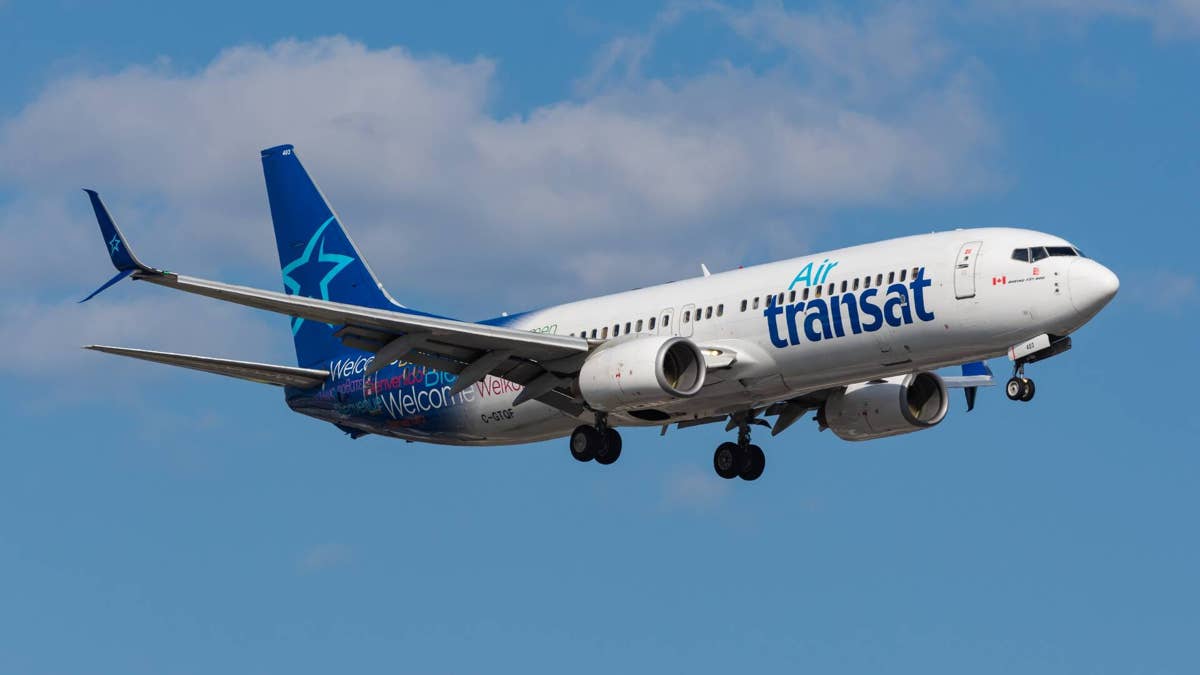
The latest airline to confirm widespread route cuts is Canadian vacation airline Air Transat. The third-largest carrier in the country after flag carrier Air Canada and Calgary-based WestJet, Air Transat launched out of Montreal in 1986 as a holiday airline shuttling Canadian tourists to popular warm-weather destinations.
In 2026, Air Transat also flies to many cities in Europe and South America but will be cutting the frequency of many of these flights by 6% between May and October.
Related: A hotel wants you to come so badly, it will pay for your gas
“The recent volatility in aviation fuel prices reflects an exceptional environment affecting the entire sector,” CEO Annick Guerard said in a statement to national broadcaster CBC. “We are closely monitoring the situation, as cost pressures continue to be felt across the industry.”
The cancellations affect approximately 1,000 flights to European cities, including Marseille and Barcelona. The carrier has also suspended its Cuba service until October 2026 as the country grapples with a U.S. fuel embargo.
But the majority of the flight cuts so far involve ones to Cuba.
Shutterstock
“A situation beyond our control”: Air Transat on axed flights
Travelers who already booked travel on canceled routes will be contacted with refund or rebooking options on alternative ones. No non-Cuban flights have been phased out entirely so far, but they will run fewer times a week than initially scheduled.
Along with the canceled flights, Air Transat will delay the launch of new routes between Toronto and the Ghana capital of Accra, as well as Montreal and Guadalajara in western Mexico, initially scheduled for June, to an unspecified time in the future.
More Travel News:
- Airline to launch unusual new flight to Cayman Islands from the U.S.
- What you can expect at Disneyland’s new ‘World of Frozen’
- Unexpected country is most luxurious travel destination for 2026
- U.S. government issues strange warning on Ireland travel
“We will continue to optimize our program based on demand, which remains strong,” Guerard said further. “Additional measures may be implemented depending on how the situation evolves beyond our control.”
With oil prices hovering at approximately $100 barrel per barrel for weeks, such price highs pose a significant problem for the aviation industry.
The latest numbers from Statistics Canada cited by The Globe and Mail show that Canadian airlines already increased fare prices by approximately 5% last March. Air Canada and WestJet also raised checked-bag fees, as did U.S. competitors such as American Airlines and JetBlue Airways.
Related: Airline files for bankruptcy, cancels all flights
